Environmental services Experts
What Is Environmental services?
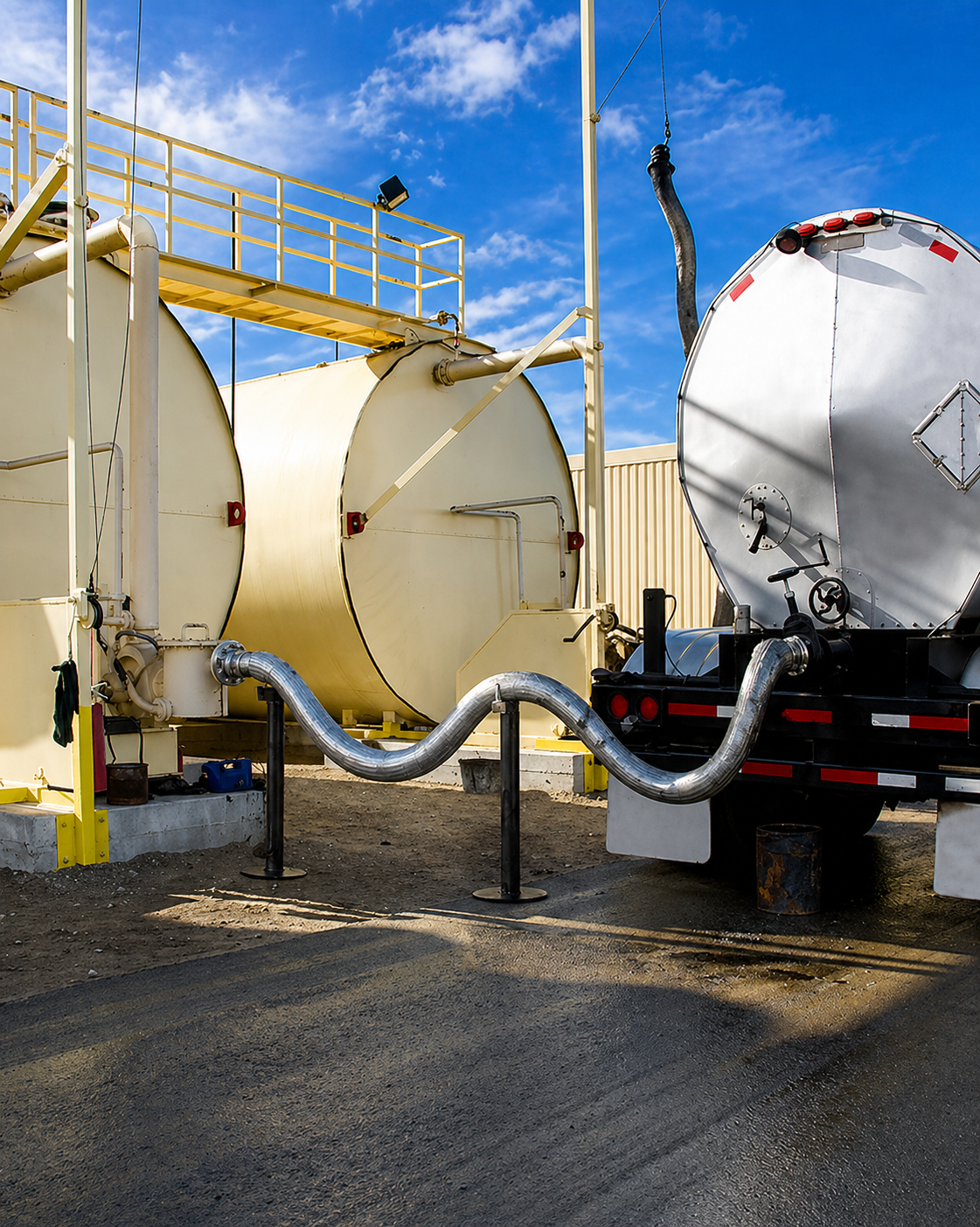
Environmental management is the process of planning, monitoring, and implementing practices that help protect the environment while ensuring compliance with applicable regulations. It involves managing waste, controlling pollution, conserving resources, and reducing environmental risks associated with business and industrial activities.
Organizations use environmental management programs to improve sustainability, minimize their environmental impact, and maintain safe operating conditions. These efforts often include waste management, stormwater control, pollution prevention, and environmental monitoring.
Effective environmental management helps businesses operate responsibly while protecting natural resources and surrounding communities. It also supports long-term operational efficiency and demonstrates a commitment to environmental stewardship.
When Is Environmental services Necessary?
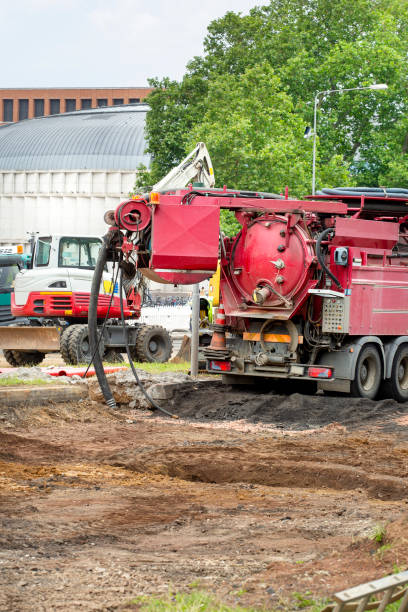
Environmental management becomes necessary whenever business operations have the potential to impact the environment through waste generation, emissions, stormwater runoff, or industrial activities. Proper management helps reduce risks and maintain compliance with environmental requirements.
Construction projects, manufacturing facilities, commercial properties, municipalities, and industrial operations often require environmental management strategies to address environmental concerns and ensure safe operations. Regular oversight helps prevent issues before they become significant problems.
Environmental management is also essential when organizations seek to improve sustainability, reduce liability, maintain regulatory compliance, and protect public health. Proactive planning helps create safer and more environmentally responsible operations.
What Is Required For Environmental services?
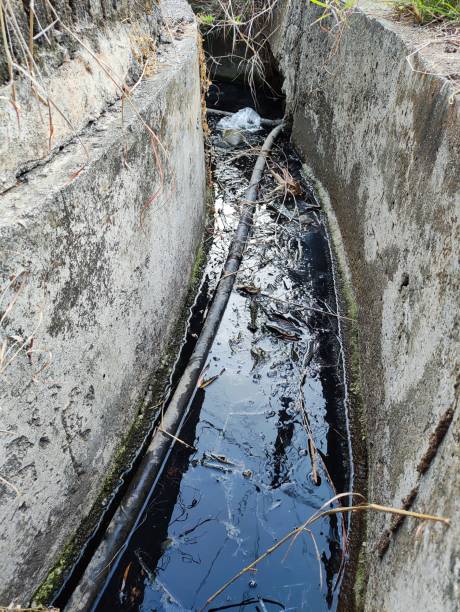
Successful environmental management requires a combination of proper planning, trained personnel, monitoring programs, and effective operational procedures. Organizations must identify environmental risks, establish management goals, and implement strategies that support compliance and sustainability.
Regular inspections, environmental assessments, documentation, and performance monitoring are often necessary to evaluate conditions and identify opportunities for improvement. These activities help ensure environmental programs remain effective and up to date.
Compliance with environmental regulations, proper waste handling procedures, employee training, and continuous improvement efforts are critical components of a successful environmental management program. By following industry best practices, organizations can reduce environmental impacts while maintaining efficient operations.
Our Reviews
What Our Customers Have to Say About Us!
We hired Vacuum Truck Virginia for storm drain cleaning at our commercial property, and the results were excellent. The crew arrived on time, worked efficiently, and left the site clean. Their professionalism and attention to detail exceeded our expectations. Highly recommended.

Our retention pond had significant sediment buildup, and Vacuum Truck Virginia handled the project flawlessly. The team was knowledgeable, responsive, and completed the work ahead of schedule. We were impressed with their equipment and commitment to quality.
We needed emergency interceptor cleaning, and Vacuum Truck Virginia responded quickly. Their technicians were courteous, experienced, and resolved the issue without disrupting our operations. Excellent customer service and fair pricing. We will definitely use them again.
The Process
3 Step Process For Your Environmental services Needs

Contact Us
Start by completing the 'Get a Free Quote' form on our website to share your Environmental services needs with us.

Schedule Your Estimate
Next, we'll arrange a property visit at a time that works for you to provide an in-person estimate for your Environmental services needs.

Get The Job Done
After you approve our estimate, we'll schedule a date to complete the job. Our team will work hard to exceed your expectations!
Request A Free Environmental services Quote
BUSINESS
SERVICES
SERVICE AREAS
OPERATING HOURS
Sun: Closed
Mon: 7:00am - 7:00pm
Tue: 7:00am - 7:00pm
Wed: 7:00am - 7:00pm
Thu: 7:00am - 7:00pm
Fri: 7:00am - 7:00pm
Sat: 7:00am - 7:00pm